%2Ffit-in%2F250x250%2Fguide_websites%2F119713%2Fimages%2F1776295312359marshmonstercharterslogo-2.jpg&w=1920&q=100)
Nighttime Fishing in Lafitte LA - Red Light Technique
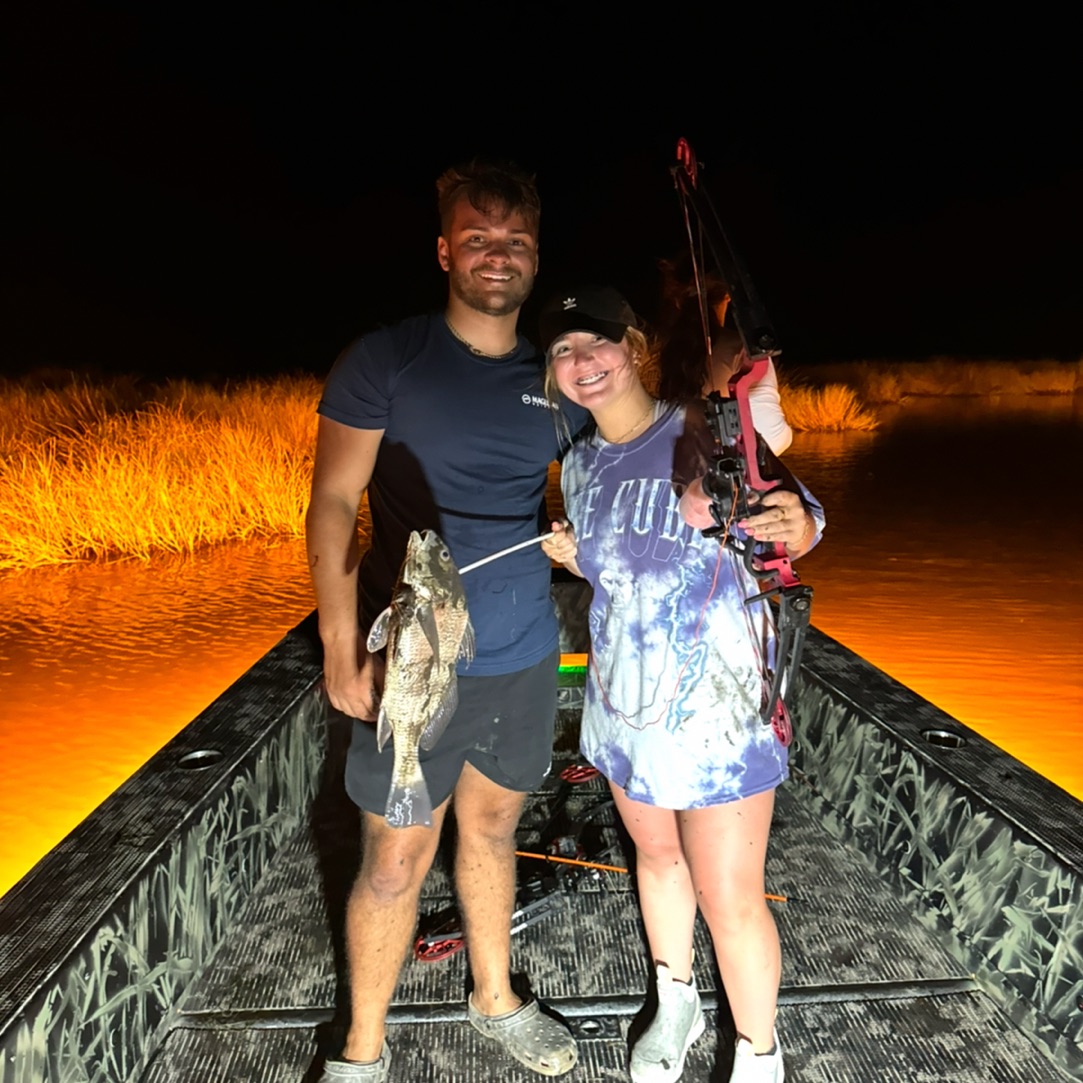
Nighttime Fishing in Lafitte - What to Expect
%2F%2Fusers%2Fe2367bdd-742a-47c9-a93c-42ad1687f8b6%2Fimages%2Fnight-fishing-red-lights-lafitte-2491.jpg&w=1920&q=75)
Guided Fishing Trip by Guide Brandon Phillips in May
- Marsh Monster Bowfishing: Hunt the Bayou Giants Ex


Summary
Join a guided fishing trip in Lafitte, LA on Thursday, May as you explore nighttime fishing methods using specialized red light illumination. This unique approach targets fish behavior under darkness, combining local expertise with proven techniques that make fishing in Louisiana's marshes both productive and memorable.
Guided Fishing Trip with Brandon Phillips of Marsh Monster Charters - Rates & Booking
Guide Brandon Phillips of Marsh Monster Charters on Thursday, May offers specialized nighttime fishing experiences that take advantage of unique behavioral patterns in Louisiana's marsh ecosystems. This guided fishing trip combines technical expertise with hands-on instruction, allowing anglers to understand and capitalize on how fish respond to darkness and artificial light sources.
To reserve your spot or learn about current rates, availability, and specific trip inclusions, contact Marsh Monster Charters directly. When booking, ask about what gear is provided, whether licenses are included, and what conditions to expect during your evening departure. Brandon's local knowledge of Lafitte waters and established reputation for teaching effective techniques makes this an opportunity to learn methods that transfer to your future fishing adventures.
Highlights of Nighttime Fishing in Lafitte
Nighttime fishing in Louisiana's marshes reveals a completely different underwater world than daytime angling. When traditional sunlight fades, fish behavioral patterns shift dramatically. The introduction of red-spectrum lighting creates a specific advantage: red wavelengths penetrate water differently than white light, attracting certain species while causing minimal disturbance compared to conventional illumination. This technique is particularly effective in shallow marsh environments where fish are sensitive to sudden light changes.
The experience of night fishing combines sensory elements unique to darkness - the sounds of marsh wildlife, the focused cone of your light source cutting through black water, and the sudden strikes that feel more pronounced when visibility is limited. Lafitte's proximity to diverse habitats means your guide can position you in areas where nocturnal feeding peaks, maximizing your chances of consistent action while teaching you to read water conditions you cannot visually see.
Local Species Insights and Behavior Patterns
Red light fishing exploits fundamental fish biology. Many species in Louisiana waters rely on vision adapted to murky, low-light conditions. Their eyes contain rod cells sensitive to red wavelengths, which means red illumination can attract fish from a wider area than white light. Additionally, during darkness, fish move into shallower feeding zones they would typically avoid during bright daylight when predation risk increases. This behavioral shift is why nighttime represents prime hunting season for successful anglers.
Lafitte's marsh system supports multiple species that actively feed after sunset, including redfish, spotted seatrout, and catfish. Each responds differently to light and feeding cues. Redfish, known for their competitive feeding behavior, often become more aggressive under reduced light conditions, striking harder and with less hesitation. Understanding when each species feeds during the dark hours - and how they react to your light source - separates casual night fishing from productive specialized trips.
The environment itself plays a crucial role. Louisiana's brackish marsh waters have unique clarity and salinity levels that affect light penetration and how fish perceive the red spectrum. Brandon's experience navigating these conditions and knowing productive zones means your night fishing targets the highest-probability water rather than random areas. The shallow marsh structure also concentrates fish in predictable zones, making the darkness work in your favor rather than against your success.
When you fish at night in Lafitte, you are actively participating in a technique that requires understanding multiple factors: water temperature, moon phase, tide movement, light wavelength, and fish sensory biology. Each element influences whether fish will respond to your bait and lures. This is why guided trips with local expertise produce results - they account for all these variables rather than relying on luck or generic approaches that ignore local conditions.